Inequality Is a Health Risk—and It’s Getting Worse
Inequality Is a Health Risk—and It’s Getting Worse
Inequality in society has been linked to numerous health risks, with those in lower socioeconomic groups often experiencing worse…

Inequality Is a Health Risk—and It’s Getting Worse
Inequality in society has been linked to numerous health risks, with those in lower socioeconomic groups often experiencing worse health outcomes compared to their wealthier counterparts. The gap between the rich and the poor continues to widen, exacerbating these health disparities.
Research has shown that individuals living in poverty have higher rates of chronic diseases, such as diabetes and heart disease, as well as higher mortality rates. Access to healthcare is also a major issue for those in lower income brackets, leading to delayed diagnoses and poorer treatment outcomes.
In addition to physical health, mental health is also significantly impacted by inequality. Studies have shown a strong correlation between socioeconomic status and mental health disorders, such as depression and anxiety.
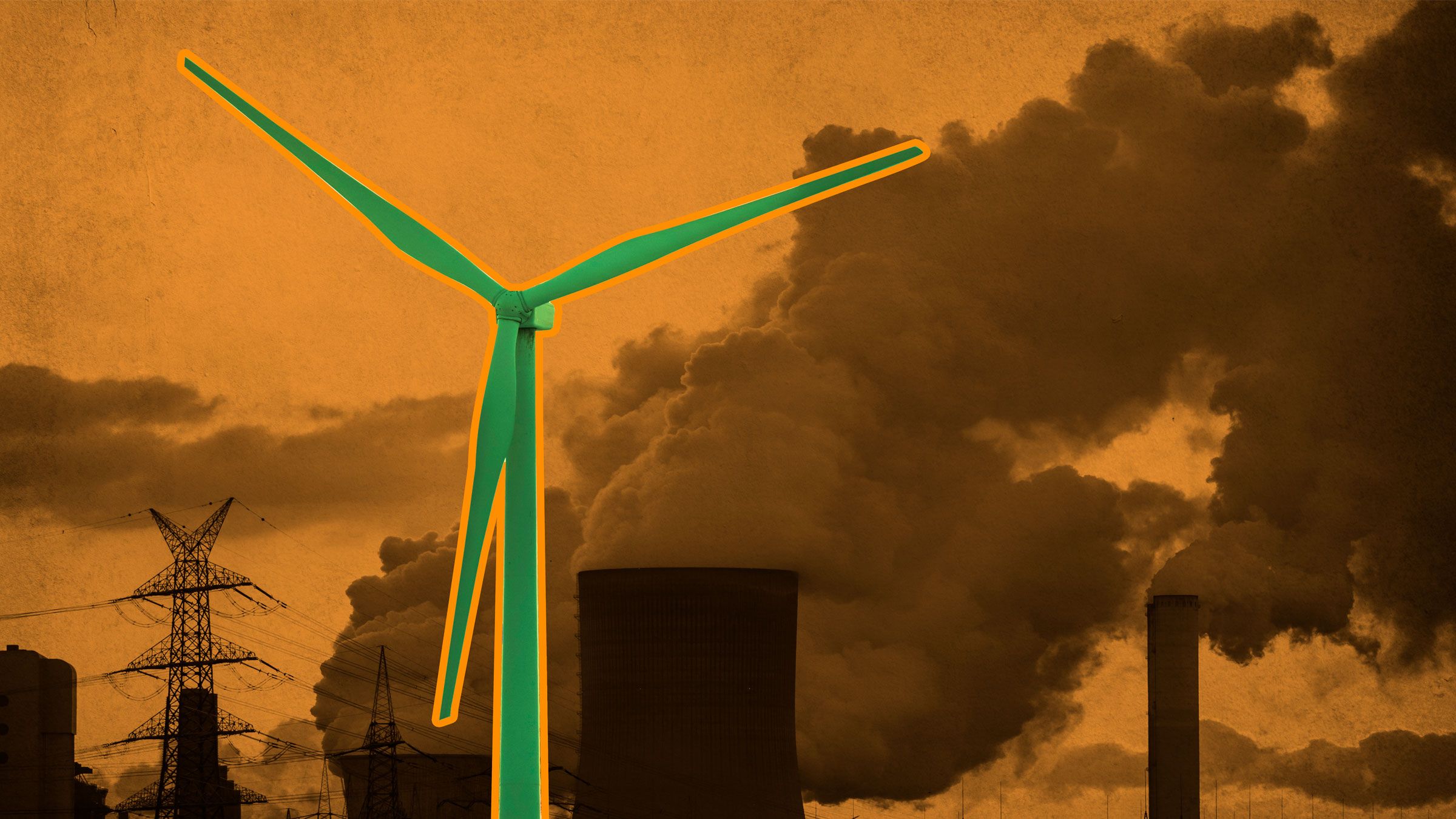
Furthermore, environmental factors play a role in health inequality, with lower income communities often bearing the brunt of pollution and lack of access to green spaces and healthy food options.
As income inequality continues to grow, it is crucial for policymakers to address these disparities and work towards creating a more equitable society. This includes improving access to healthcare, addressing social determinants of health, and implementing policies that promote economic equality.
Ultimately, reducing inequality is not only a moral imperative but also a public health necessity. By addressing these disparities, we can create a healthier and more just society for all.